
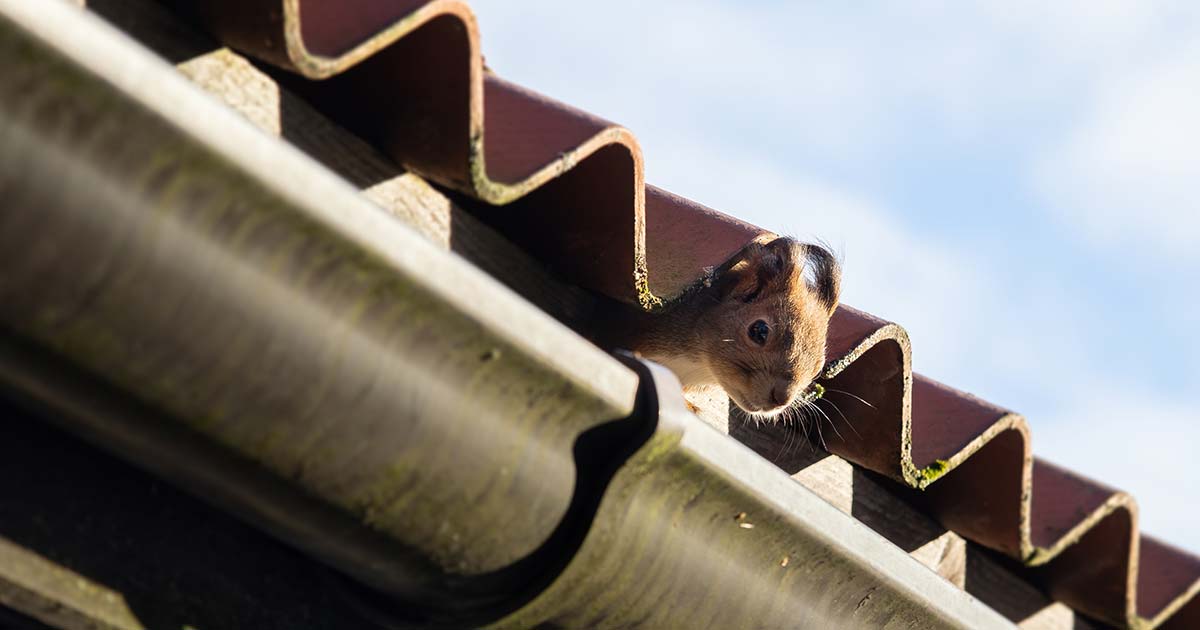
Squirrel Pest Control: Understanding These Common Home Invaders
Squirrels naturally belong outdoors, living in trees and foraging for nuts and seeds. But when cold weather hits or breeding season begins, they often move into our homes. Let’s explore why this happens and what you can do about it.
Why Squirrels Enter Homes
- Seasonal Patterns: Squirrels move indoors twice a year. First, in late summer and early fall, they seek warm places for winter. Then again in late winter and early spring when it’s time to have babies. Knowing these patterns helps you prepare your home before squirrels try to move in.
- Shelter Seeking: These clever animals look for warm, dark places like your attic, walls, or chimney. They especially like homes with trees nearby, which act like bridges to your roof. Mother squirrels are most likely to enter homes as they need safe, warm spaces for their babies.
Understanding Squirrel Damage
These small visitors can cause big problems. In Houston homes, we often see extensive damage in attics and walls:
- Electrical Dangers:
- Squirrels must chew to keep their teeth healthy. When they chew electrical wires, they create fire risks.
- They often damage multiple wires in one area, which can cause power problems throughout your home.
- The damage usually happens inside walls where you can’t see it until problems occur.
- Chewed wires can cause shorts, leading to expensive repairs and dangerous situations.
- Building Damage:
- Your attic insulation becomes torn up and compressed, making your home less energy efficient.
- They chew on wooden beams that support your roof, which can weaken your home’s structure.
- Air ducts get damaged, leading to higher energy bills and poor air quality.
- Water barriers get destroyed, potentially leading to leaks and mold problems.
Health Risks and Concerns
Professional squirrel control services often find serious health hazards in infested homes:
- Disease Risks:
- Squirrel droppings can carry dangerous diseases that affect humans.
- Their nesting materials often contain parasites that can infest your home.
- Urine-soaked insulation creates unhealthy air quality and bad odors.
- Fleas and ticks from squirrels can spread to pets and people.
Preventing Squirrel Damage
Prevention works better than dealing with an active infestation. Here’s what works best:
- Home Protection:
- Check your roof and attic regularly for possible entry points.
- Seal small holes before they become squirrel doorways.
- Install sturdy vent covers that squirrels can’t chew through.
- Keep your roof and exterior walls in good repair.
Natural Ways to Keep Squirrels Out
While professional help might eventually be needed, try these natural approaches first:
- Yard Management:
- Cut tree branches back at least 8 feet from your roof.
- Clean up nuts, seeds, and fallen fruit that attract squirrels.
- Use motion-sensing lights near common entry points.
- Switch to squirrel-proof bird feeders or move feeders far from your house.
Warning Signs to Watch For
Early detection makes control easier. Look for these signs:
- Sound Clues:
- Scratching noises in walls or ceilings, especially early morning and evening
- Running or rolling sounds above your ceiling
- Loud thumping or scrambling in attic spaces
- Squeaking or chirping sounds from inside walls
- Visual Signs:
- Tooth marks around roof edges or vents
- Damaged screens or roof tiles
- Squirrel droppings in attics or along walls
- Nesting materials like shredded paper or insulation
If you notice these signs, don’t wait for the problem to get worse. Wildlife removal experts in Dallas, Houston, and Austin understand local squirrel populations. They can help protect your home with safe, effective solutions. The sooner you address the problem, the easier it is to solve.